Invasive Plant Identification, Surveying & Removal Services in Ontario
Invasive plant species can damage your property, affect the integrity of structures, spread aggressively, threaten local ecology and biodiversity.
Below, is a brief description of common invasive species in Ontario and information about treatment.
Common Invasive Plant Species
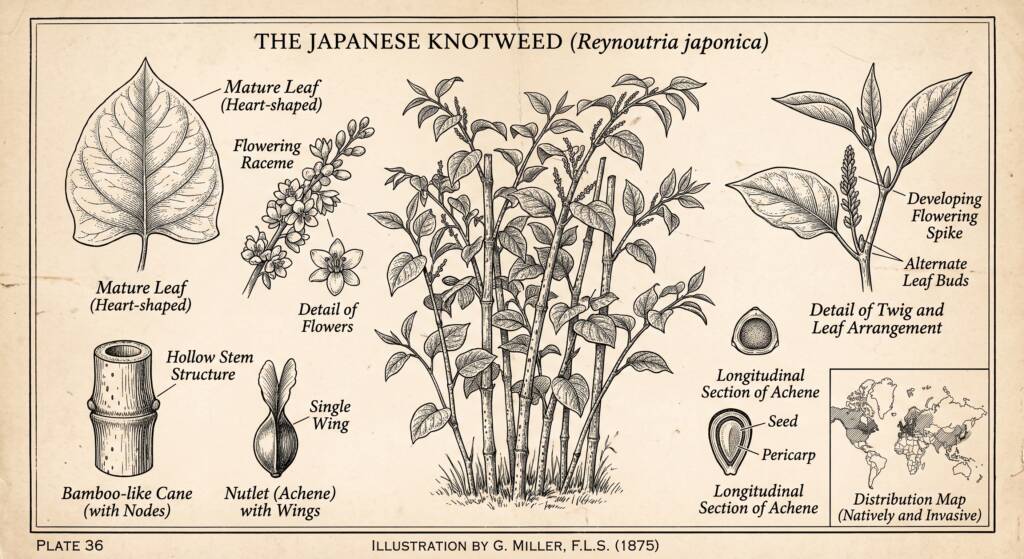
- Japanese knotweed — aggressive rhizomes known to damage foundations, driveways, and drainage systems
- Giant hogweed — a poisonous plant that can cause severe skin burns on contact
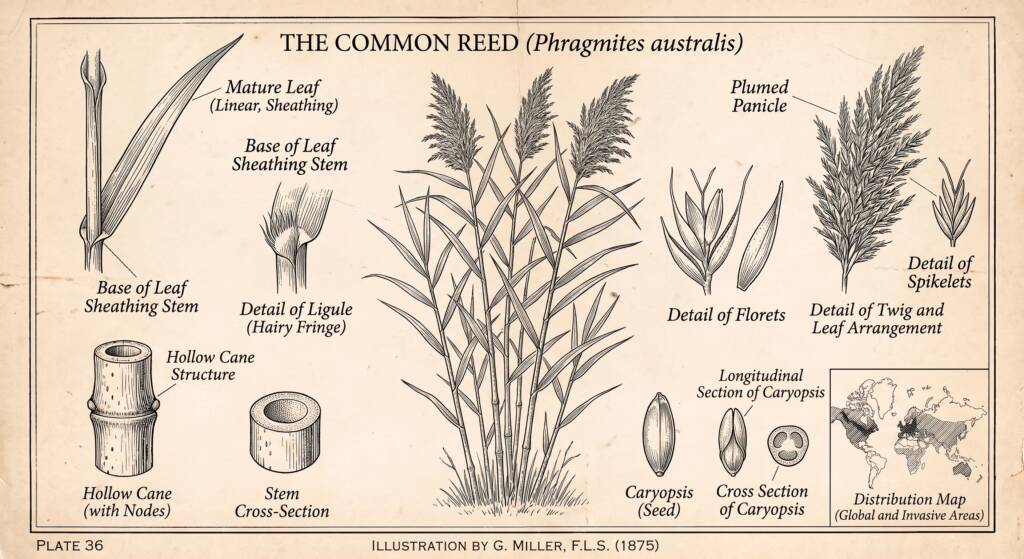
- Phragmites — Canada’s most invasive plant, forms dense stands in wetlands and ditches
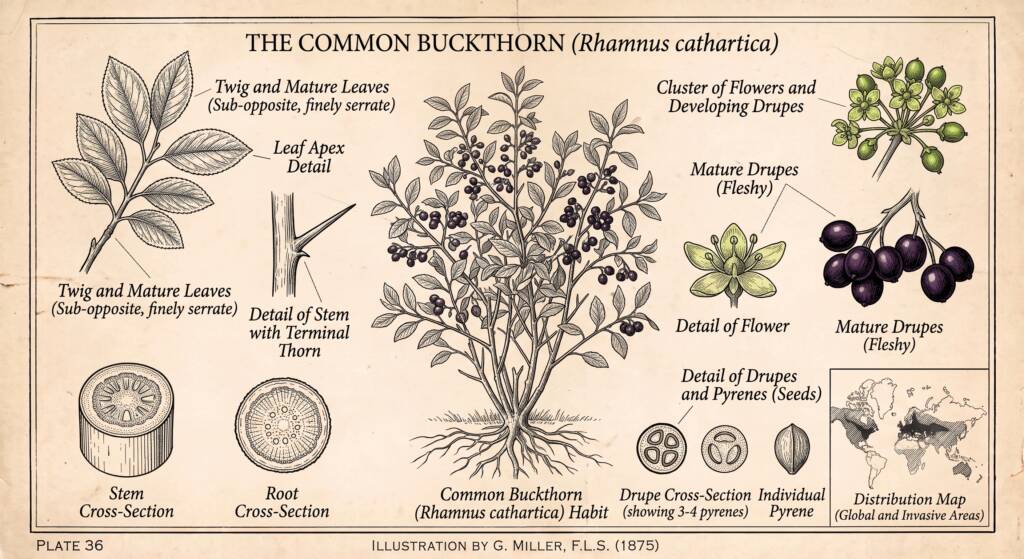
- European buckthorn — outcompetes native shrubs and trees, disrupts forest understories
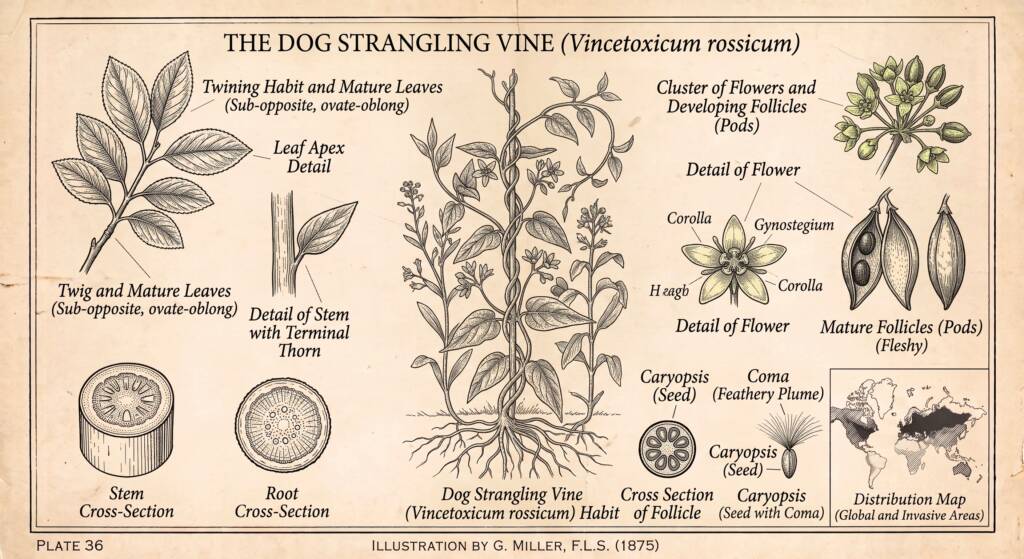
- Dog-strangling vine — smothers native plants and can girdle young trees
- Poison ivy — causes allergic skin reactions on contact
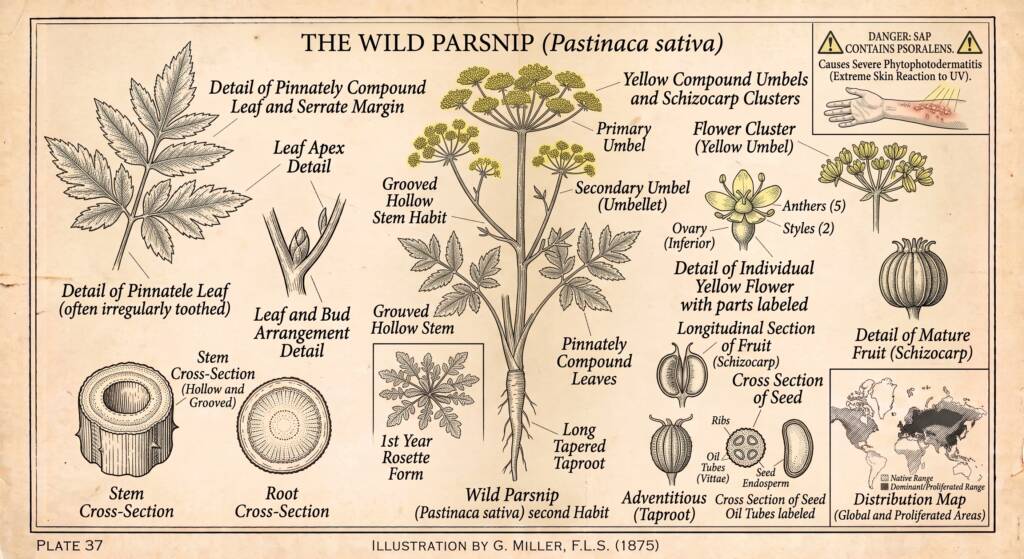
- Wild parsnip — sap can cause severe burns when exposed to sunlight
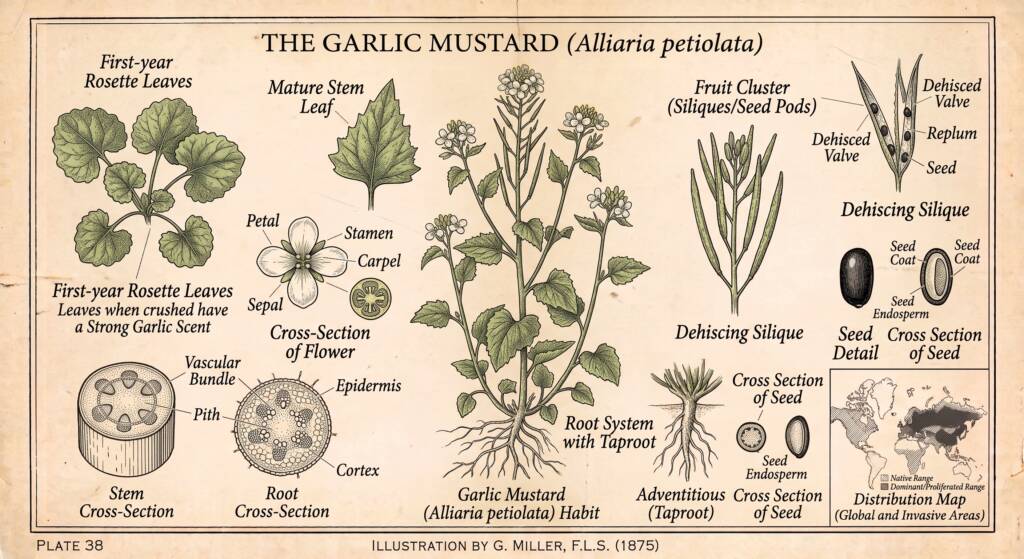
- Garlic mustard — spreads rapidly in forested areas, displacing native wildflowers
- Eurasian watermilfoil — submerged aquatic plant that forms dense mats in lakes and ponds, impeding boating and swimming
- European frog-bit — free-floating aquatic plant that carpets water surfaces, blocking light and reducing oxygen
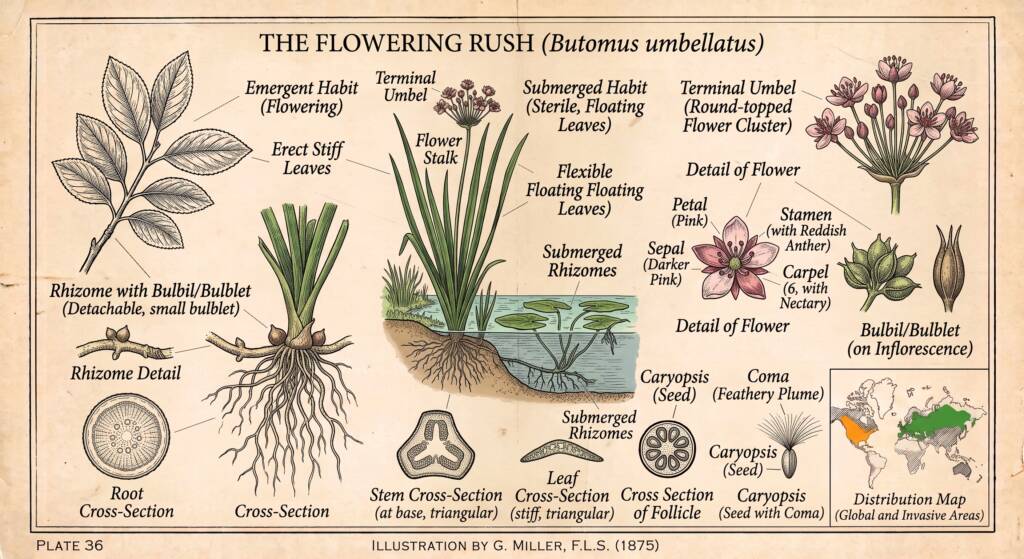
- Flowering rush — emergent aquatic plant that spreads along shorelines and interferes with water flow
How to Get an Assessment
If you think you may have one of these species on your property, email us:
- A description of what you’re seeing
- The location on your property
- 2–3 photos
Once we hear from you, we’ll take a close look at what’s growing, where it is, and how it’s affecting your property. From there, we’ll walk you through your options and recommend the best path forward, whether that’s physical removal, treatment or an ongoing management plan.
Frequently Asked Questions
Can herbicides be used on invasive plants in Ontario?
Ontario restricts pesticide use for cosmetic purposes under the Cosmetic Pesticides Ban (Pesticides Act). Herbicide treatment is only permitted in specific circumstances — for example some instances which may qualify are; to destroy, prevent or control plants that are poisonous to humans by touch, including poison ivy, poison sumac and giant hogweed. To prevent damage to the structural integrity of the building or structure, if the potential damage caused to the building or structure by the plant, fungus or animal would place the health or safety of a person at risk. For forestry, agriculture, golf courses etc.
Other situations, such as to control an invasive species that may be detrimental to the health of persons or the environment or economy of Ontario require government authorization before treatment can proceed.
These rules and regulations are complex and often require different licences (Industrial Vegetation, Landscape, Forestry, Aquatic etc), permits, signage, approvals and planning. The above description is simply a rough summary and not to be interpreted as a guideline or reference. A site inspection will be required to determine if and when herbicide would be applicable and which license would be required. Always refer to the Pesticides Act and O. Reg. 63/09: GENERAL for specific information.
What happens if my situation doesn’t qualify for immediate treatment?
Not every invasive species situation qualifies for immediate herbicide treatment under Ontario’s regulations. If a site doesn’t meet the criteria for treatment an application to the Ministry may be required. Depending on which, it could be the Ministry of Natural Resources and Forestry or the Ministry of the Environment, Conservation and Parks. They could issue a permit or written opinion authorizing use. This is a discretionary approval — it isn’t guaranteed, and it can take additional time.
How do I know if an invasive plant is affecting my foundation?
Common signs include cracks near the base of a structure, plant growth emerging through concrete or masonry, or visible roots close to a foundation wall. Send us photos and a description, and we’ll assess whether this applies to your situation.
Do you service Ottawa and the Ottawa Valley?
We service most parts of Ottawa, particularity Ottawa West and South. Including Kemptville, Perth, Carp, Kanata, Bells Corners, Barrhaven, Glebe, Westboro, Nepean, Stittsville, Dunrobin etc. We will also travel for larger sites. Once we hear from you, we’ll take a close look at what’s growing, where it is, and how it’s affecting your property. From there, we’ll walk you through your options and recommend the best path forward, whether that’s physical removal, treatment and/or an ongoing management plan.